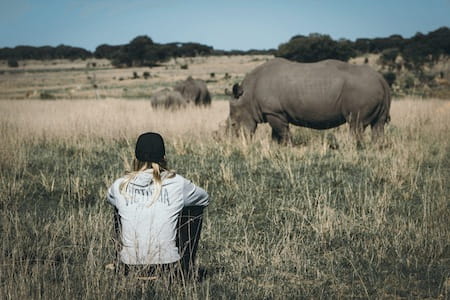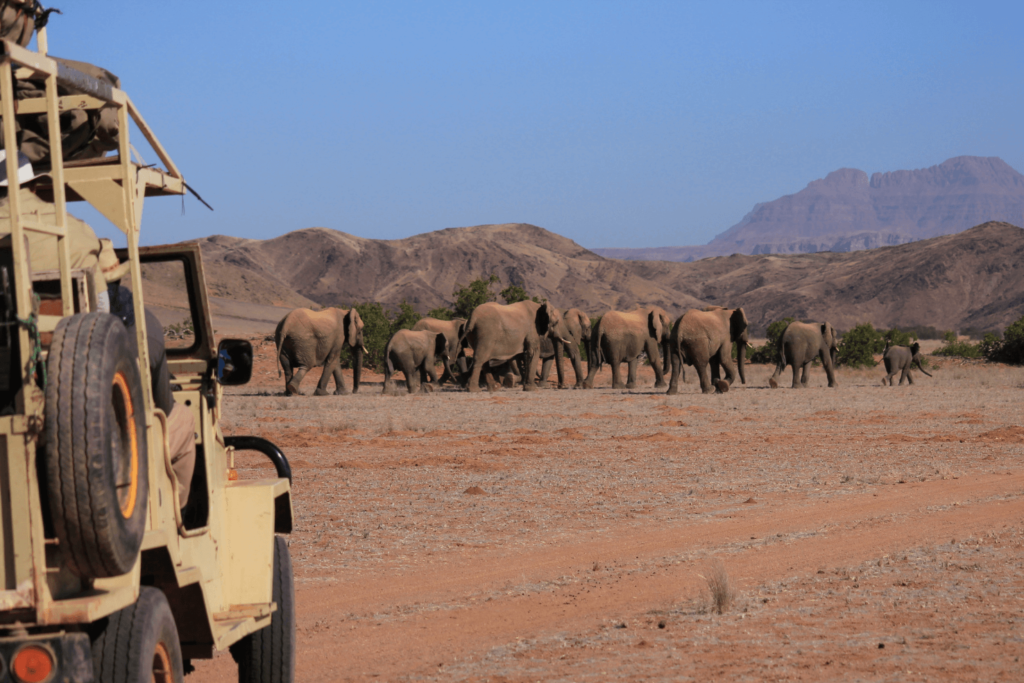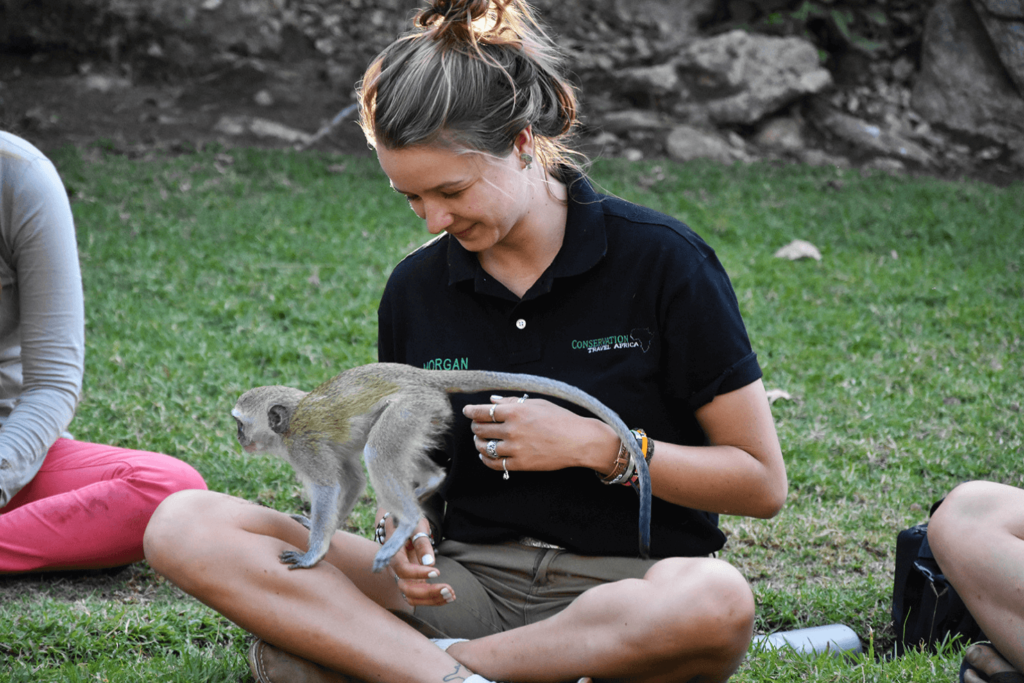

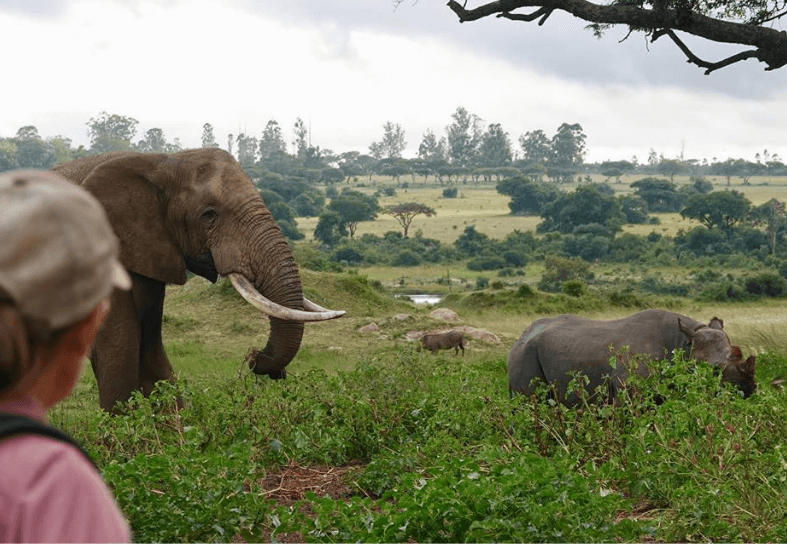
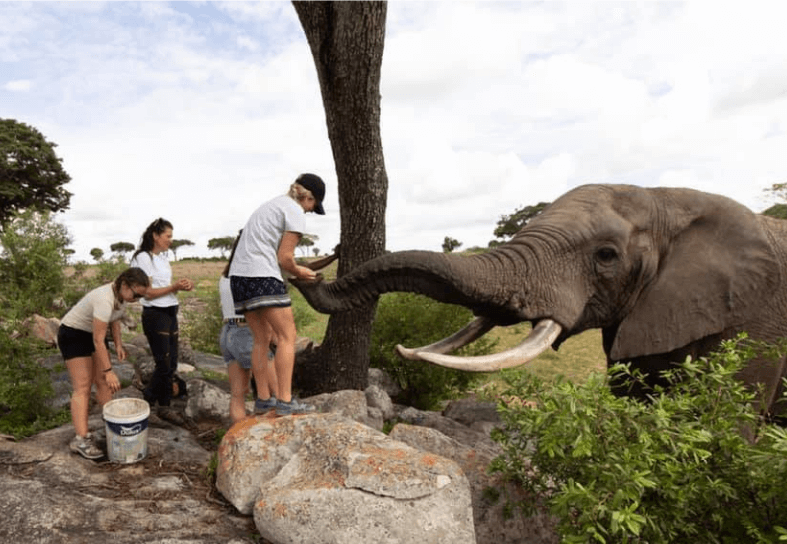
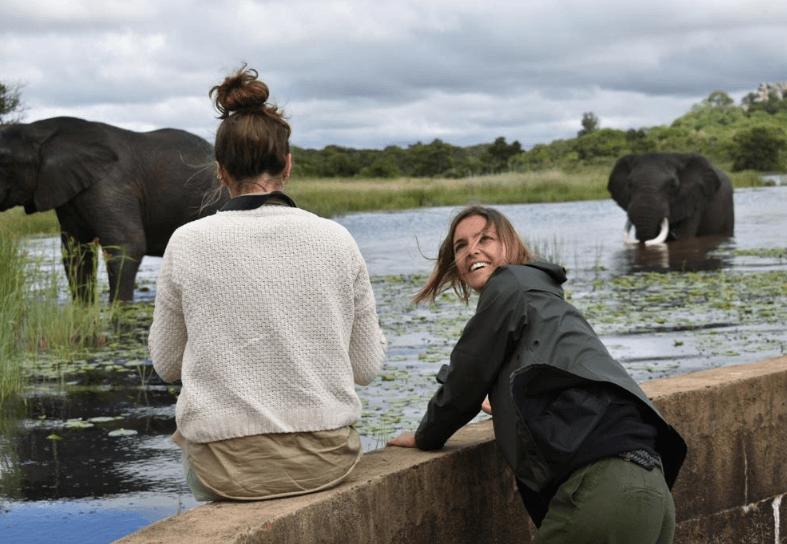
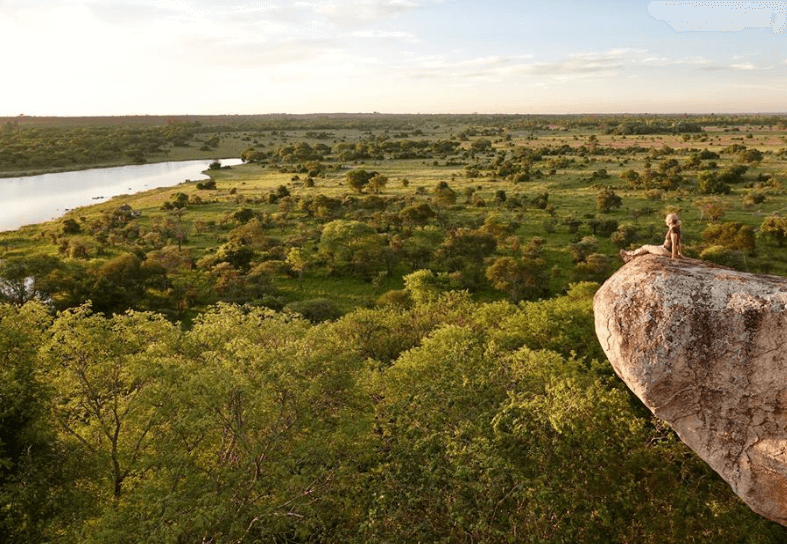
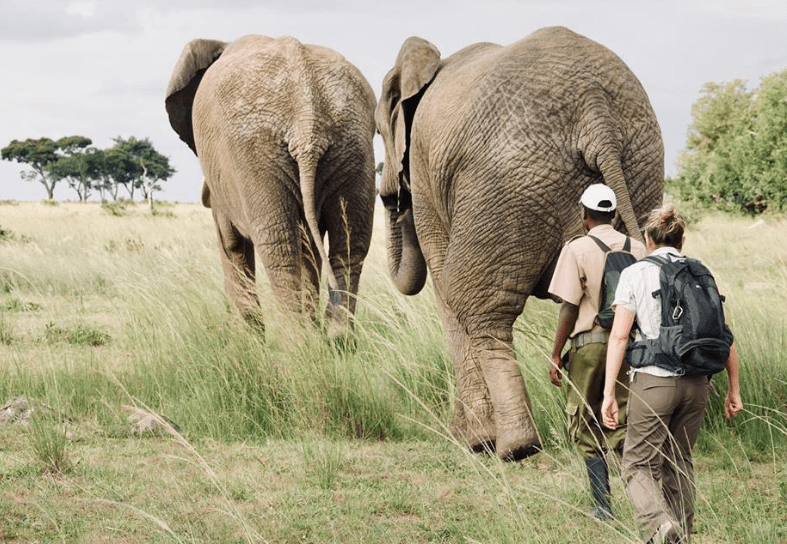
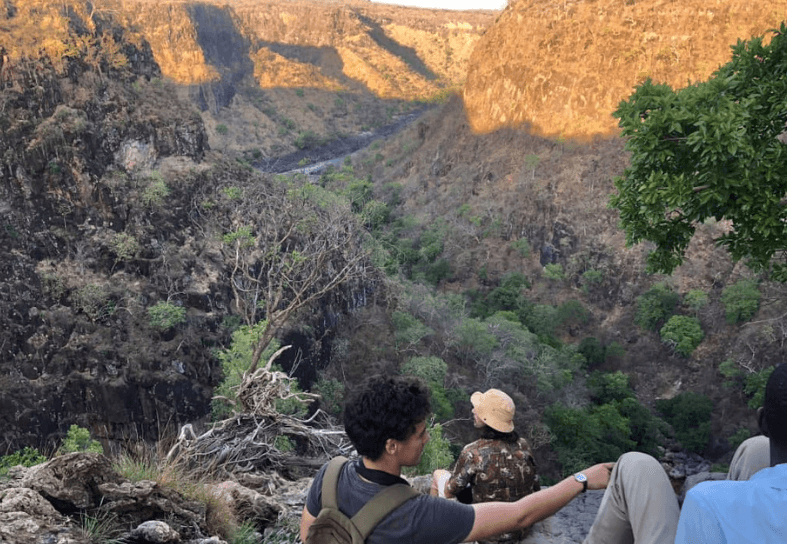
Our Rhino & Elephant Conservation Programme gives you the opportunity to live on a 10,000 acre private conservancy and learn about endangered species and their battle to survive.
Volunteering at Imire is a unique opportunity to immerse yourself in a new country and culture, and experience day-to-day life in Africa. In return you will contribute to an important conservation cause. The experience will be life-changing.
The conservancy has wonderful local guides, dedicated to the conservancy’s wildlife and experienced at teaching volunteers to understand the bush.
Volunteers will usually get involved in some or all of the following activities:
Wildlife conservation and animal interaction:
- Learn about rhino conservation from experienced local guides, and what the reserve is doing to support the species in Zimbabwe;
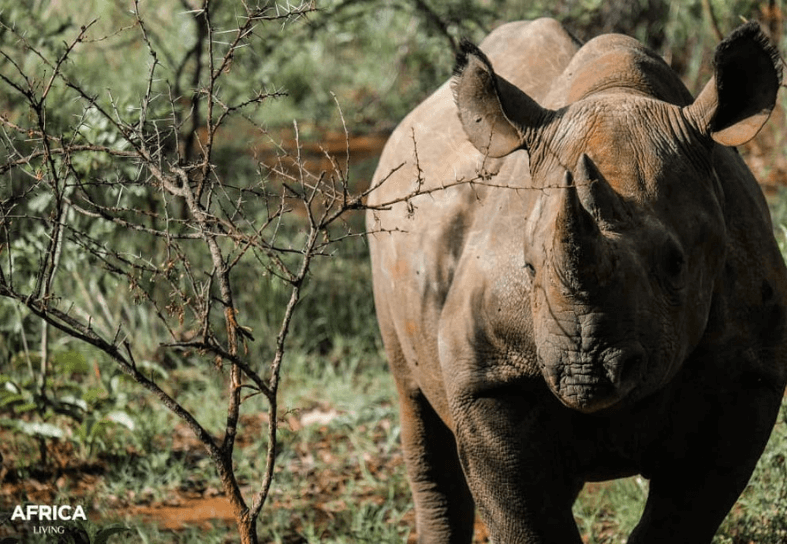
- Learn to track and locate black and white rhino using telemetry;
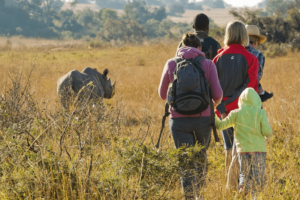
- Identify the different tracks and signs of animals, as you take guided nature walks through the bush;
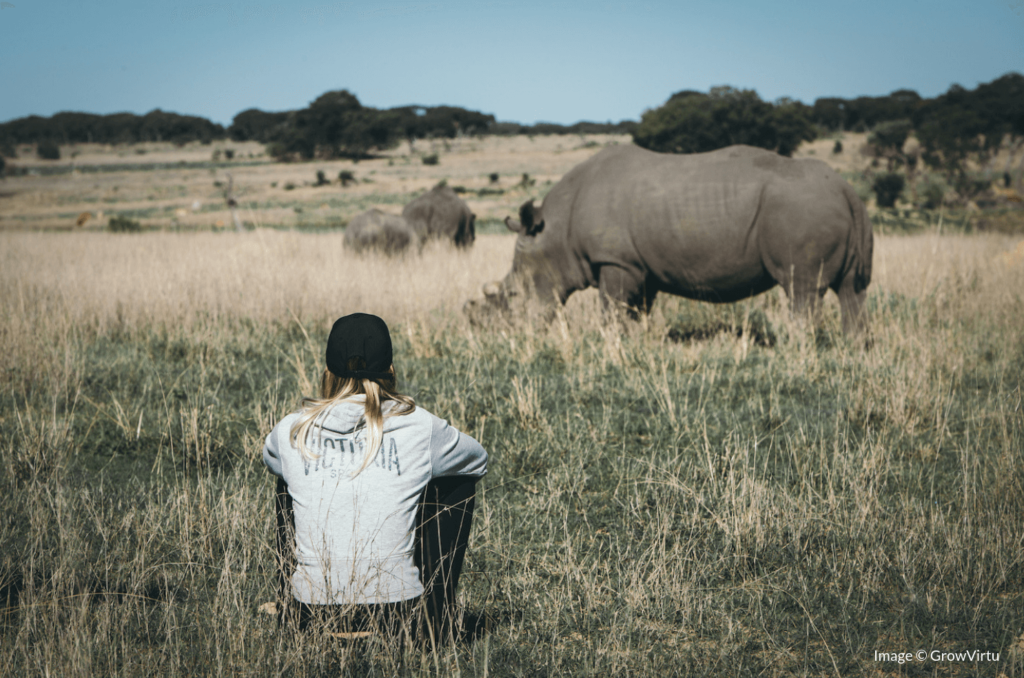
- Collect observational data on rhino and elephant behaviour, health, movements, interactions and browsing activities.
Anti-poaching and security:
- Provide additional manpower for foot patrols and snare sweeps;
- Secure, repair and check boundary fences;
- Conduct weapons training and anti-poaching simulations;
- Communicate anti-poaching messages to school children.
Conservancy management:
Get a sneak peek into the behind-the-scenes operation of a large conservation area.
- Deliver feed and nutritional supplements to sable, zebra, buffalo and other plains game.
- Meet Murwi and Shinga, stars of the Anti-Poaching K9 Unit;
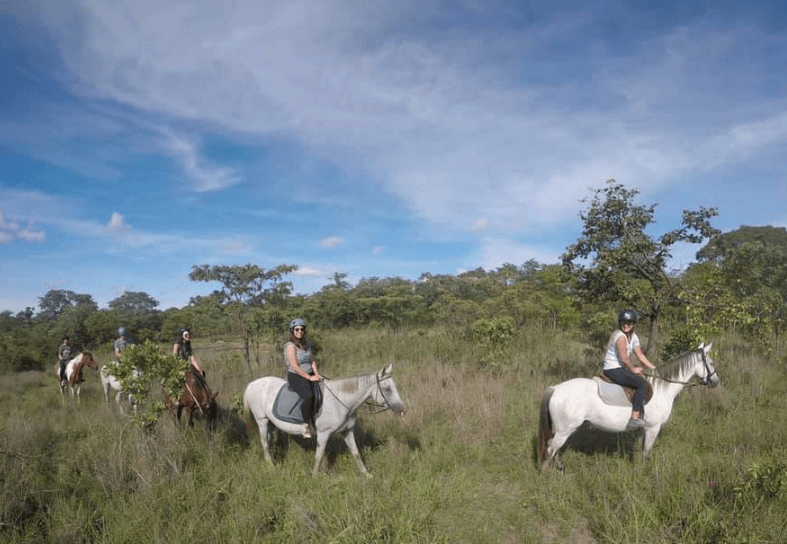
- Undertake game counts and herd studies on foot, by vehicle and on horseback (extra);
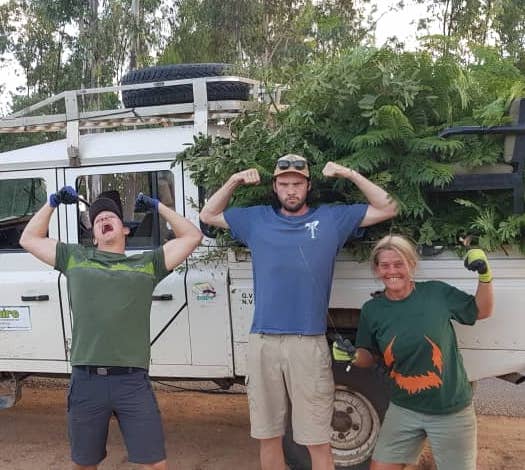
- Carry out indigenous tree planting, and invasive and alien species removal;
- Maintain fences, roads, fireguards and equipment.
Culture and community projects:
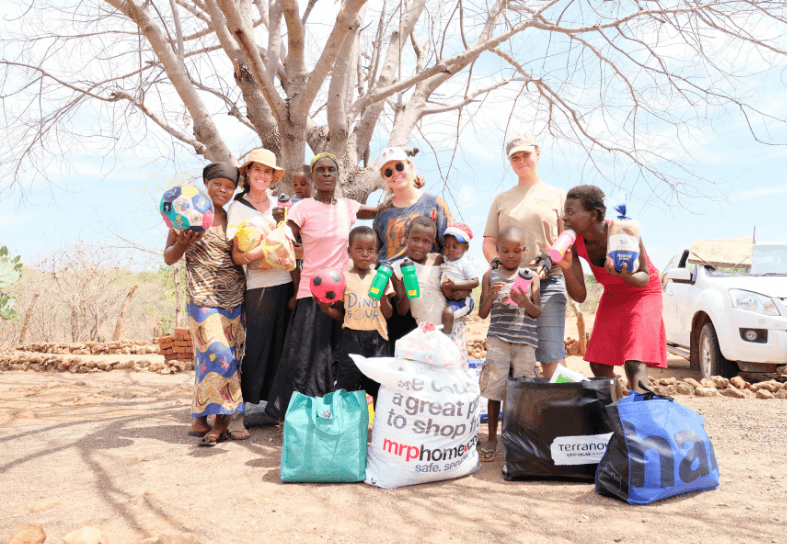
Community engagement is the essence of sustainable conservation, and Imire is a long-time champion of local employment, education and poverty alleviation projects in the local community. The project is dedicated to the surrounding villages and works hard to emphasise the importance and benefits of protecting wildlife and the environment. Volunteers will:
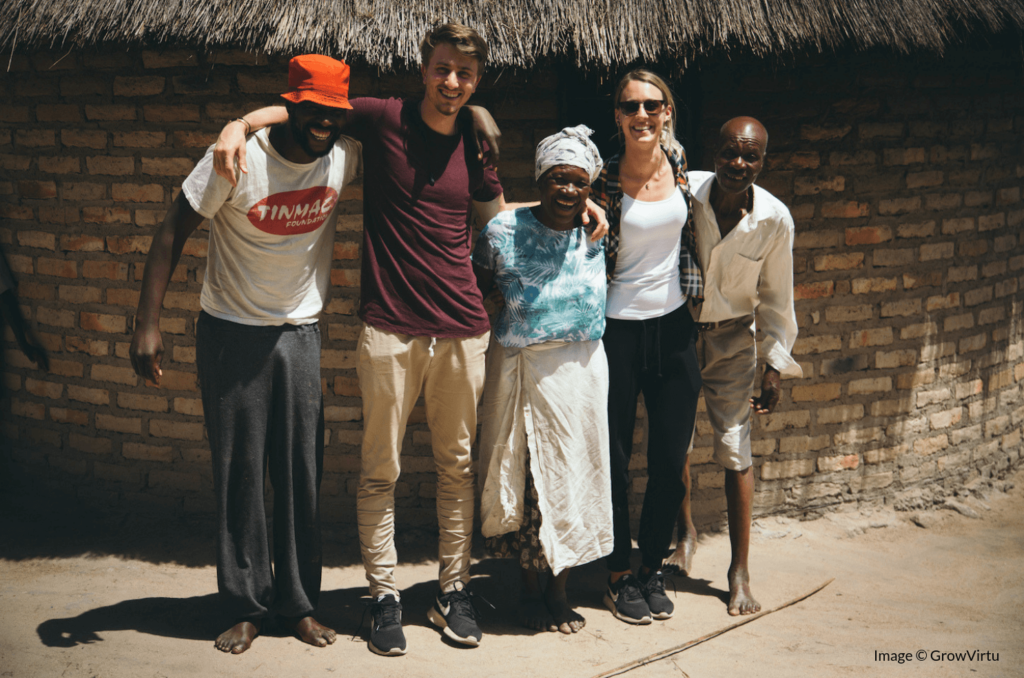
- Experience Shona culture first-hand. Go on home visits, learn to cook traditional meals and move your feet in traditional dances;
- Meet members of the local community and share ideas and experiences;
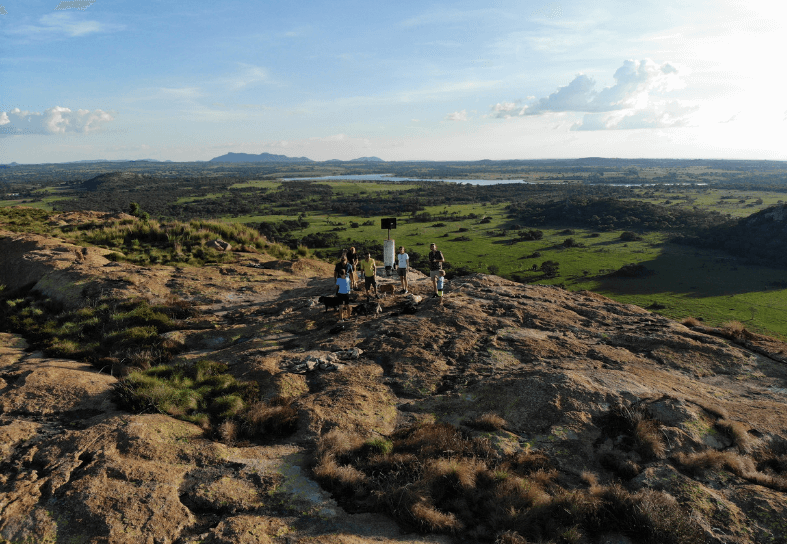
- Brave the ladder and climb to the top of Castle Kopje, as you learn about the conservancy’s rich history from local guides;
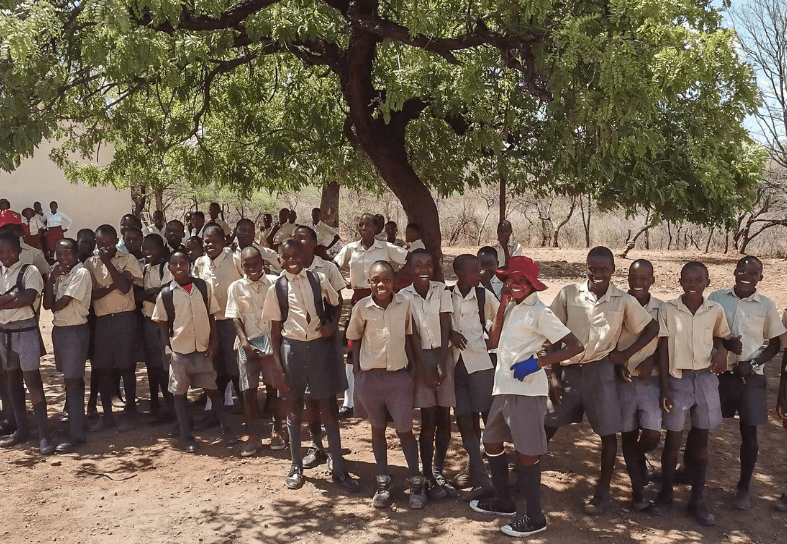
- Visit the local schools and experience how African schoolchildren learn;
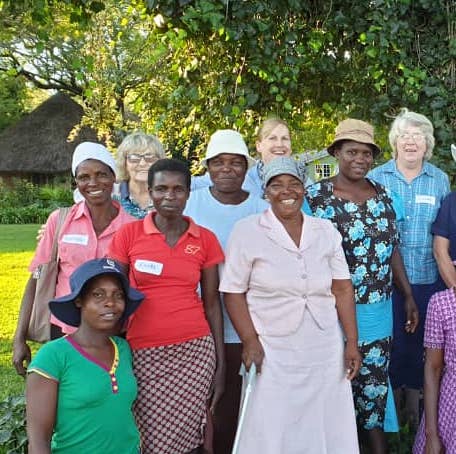
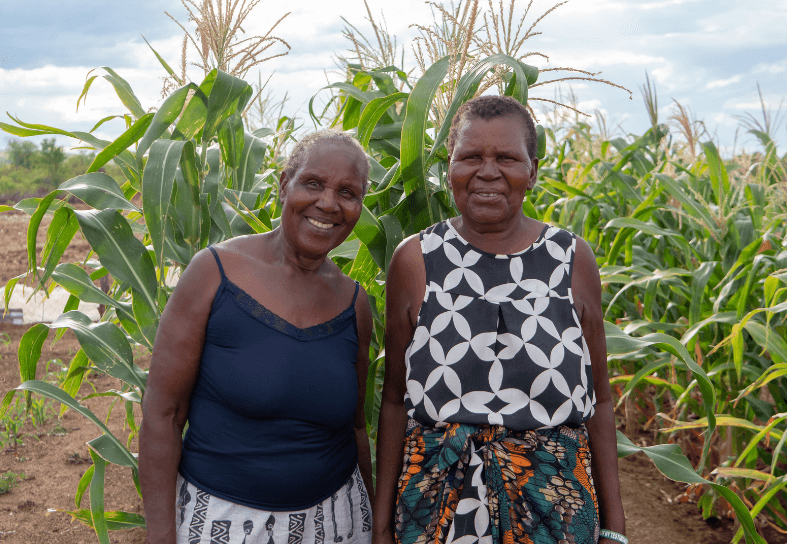
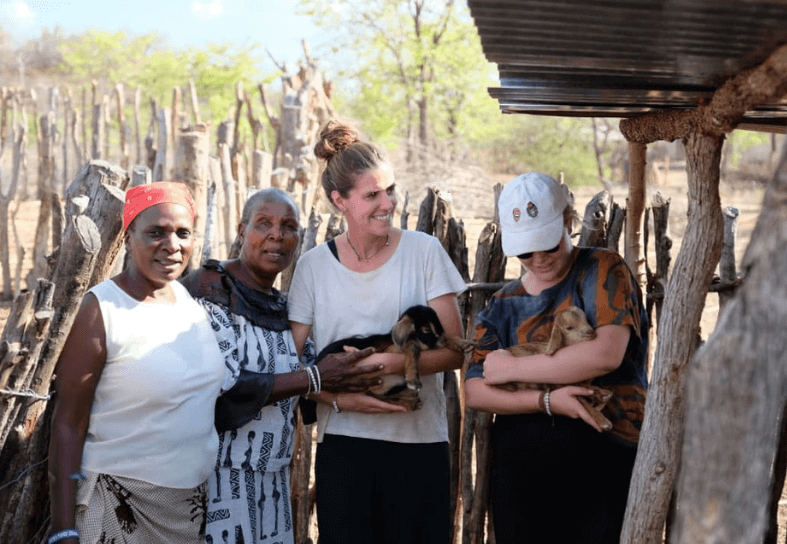
- Work with the Women’s Support Group on a range of community programs;
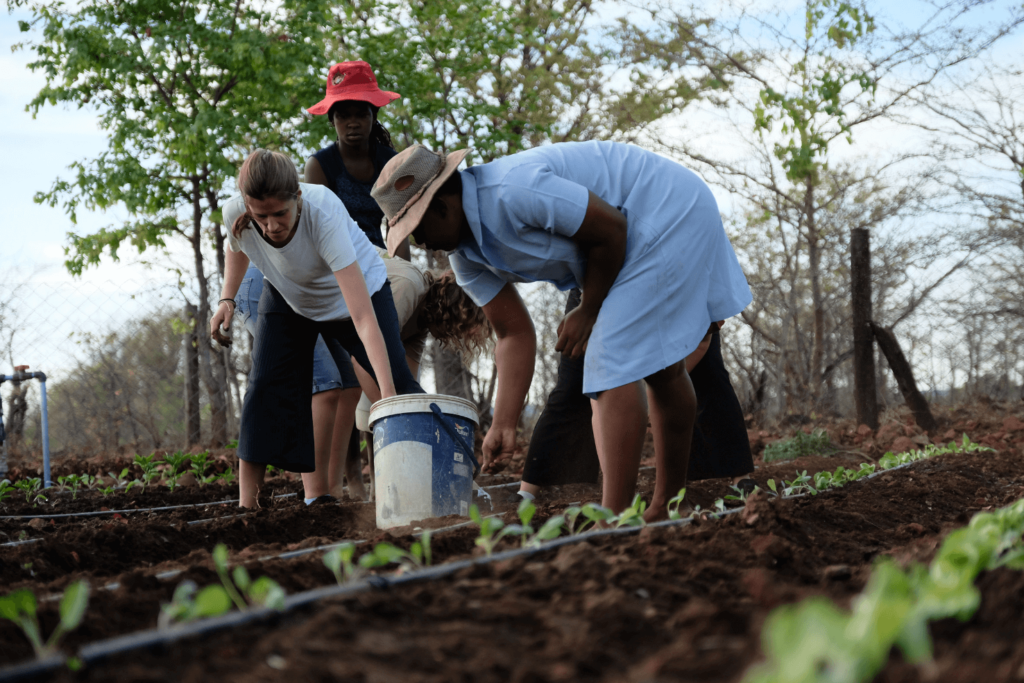
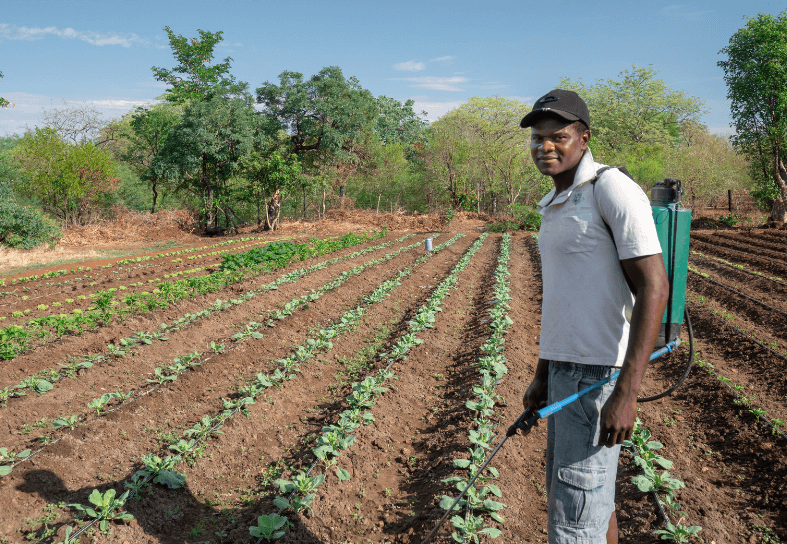
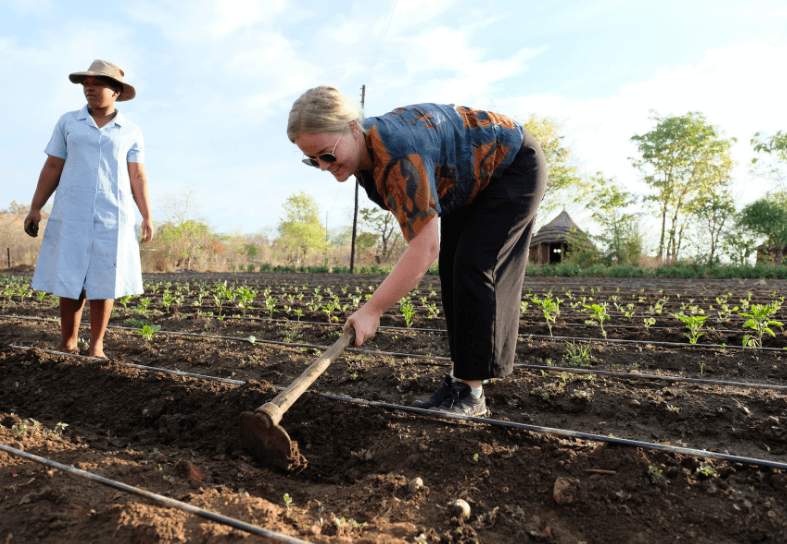
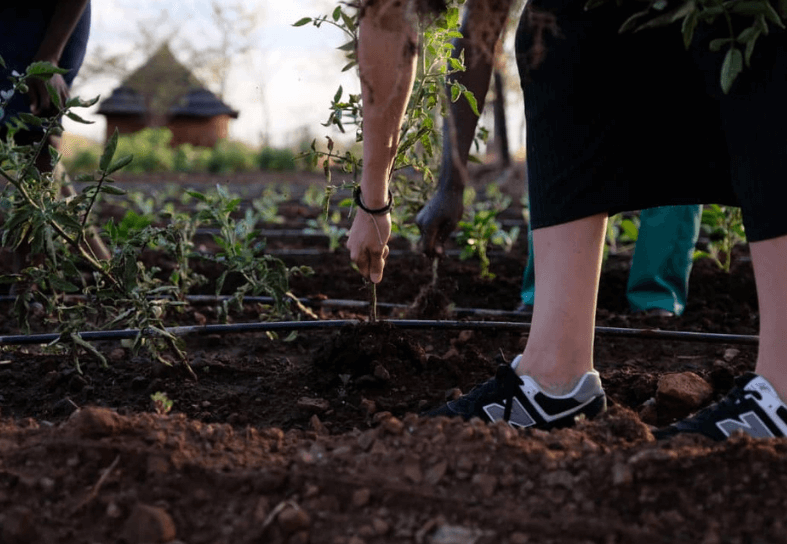
- Get involved with organic gardening and tree planting.
For more details about our project at Imire, please see our Rhino & Elephant Conservation Programme page.
Our Communities & Culture Programme enables volunteers to experience the challenges of daily life in rural Zimbabwe. It is an incredible opportunity for cultural exchange, gaining an appreciation for what life in Africa entails.
Tailored itineraries for maximum impact.
Typically, your itinerary will depend on what the priority projects are at the time. This could depend on the time of year, the weather, what projects are already in progress, and, of course (this is Africa), any unexpected events that may occur.
Additionally, your community volunteering role can also be shaped around your background, interests and passions. Examples of how your skills may align with current projects include:
Teaching, early years education or childcare experience
– Supporting local Early Childhood Development (ECD) centres through learning activities, resource development, and teacher support.Health, social care or community support experience
– Working with farmer family homesteads or Gogo (grandmother)-led households to support wellbeing, nutrition, and daily care initiatives.
– In the rural areas, there are a large number of gogo-headed households, where children have been left with their grandparents. Many gogo’s look after a number of their own grandchildren, plus other orphans and unrelated children.Sewing, knitting, crafting or textile skills
– Assisting Community Women’s Groups with uniform-making, handicrafts, and income-generating projects.Environmental, sustainability or gardening experience
– Supporting the Community Tree Nursery, Orchard projects, recycling and waste management initiatives, or children’s Eco-Clubs.Practical, hands-on or logistics-based skills
– Contributing to projects such as the Mobilised Community Bicycle Programme or homestead-based development initiatives.
Our placements are flexible and responsive, ensuring community volunteering supports real needs while allowing volunteers to contribute in meaningful, appropriate ways.
You can be sure that your days will be filled with interesting work that is genuinely needed, and you will always be doing something purposeful.
Education Projects
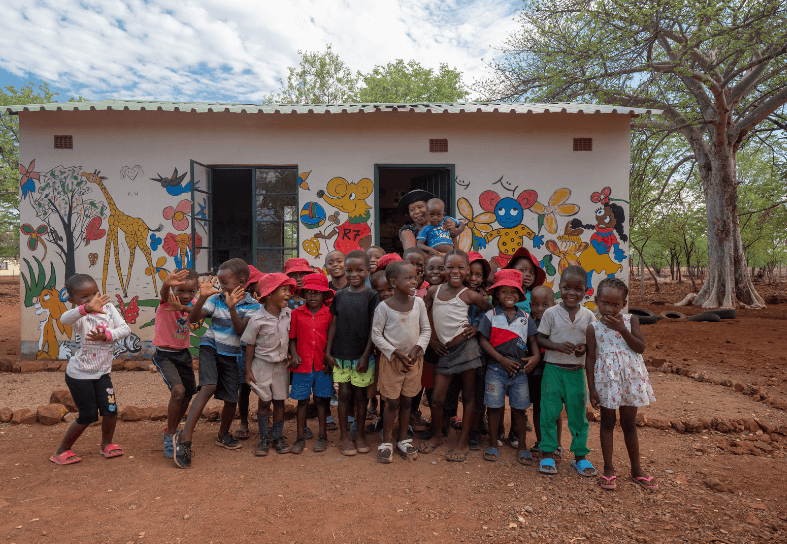
Greenline support three local pre-schools (taking children from 3-5 years), and there is a high commitment from children and teachers to attend school. Volunteers may get involved with:
- Building and painting classroom blocks, toilets and playgrounds;
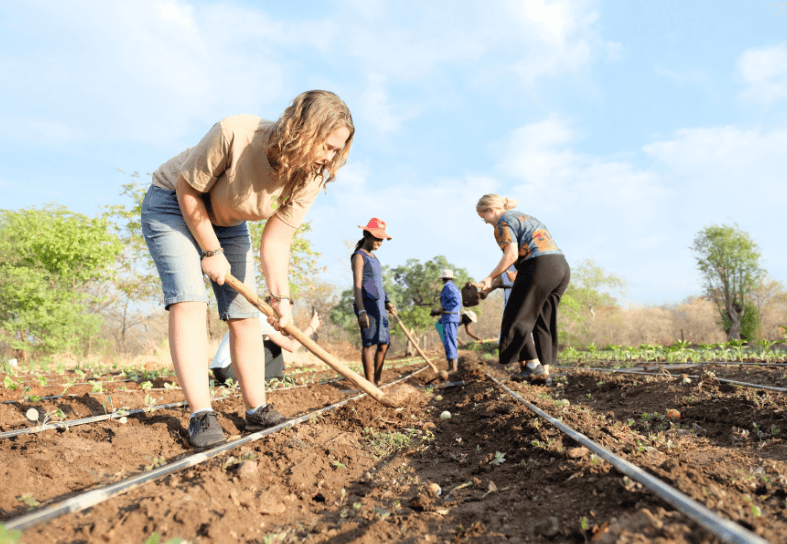
- Digging vegetable gardens and assisting with watering, planting and picking;
- Reading, writing, playing games and sports with the children.
There may also be opportunities for volunteers with medical or veterinary backgrounds to contribute to rural communities.
Medical volunteering
The local medical centre serves a large local area. Medical volunteers can learn about common diseases affecting the local population and how they can be managed using the medicines and equipment available.
- Assist with non-medical work such as taking blood pressure and temperature, and weighing babies
- Help in the pharmacy
- Observe appointments
- Work on building and maintenance projects at the clinic
Veterinary volunteering
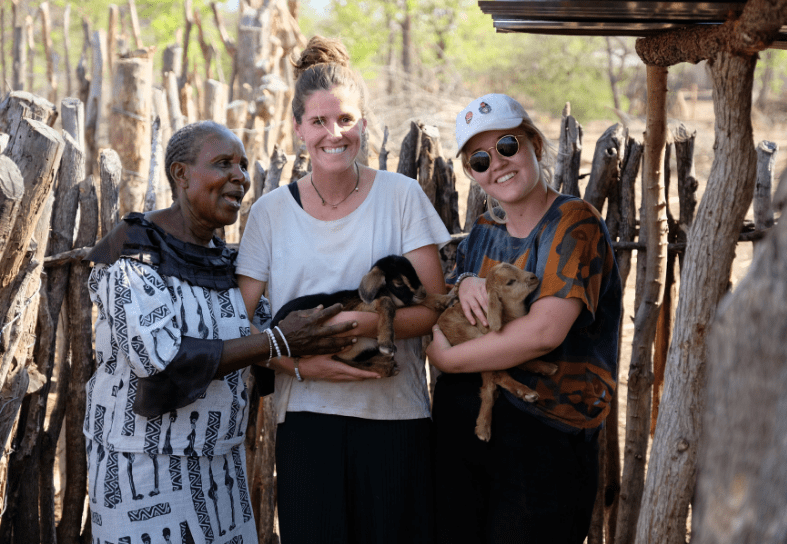
The Trust works with the local VAWZ team (Veterinarians for Animal Welfare in Zimbabwe), a private organisation working in communities across Zimbabwe. Their inspectors work in rural areas and run vaccination and neutering programmes, plus host training and education workshops and follow up cases of animal cruelty towards both domestic and working animals.
If you are a vet student or professional and would like to volunteer, you may be given the opportunity to:
- Shadow the local VAWZ inspectors on routine inspections;
- Participate in mass vaccination and spaying programmes (seasonal).
As far as possible, a bespoke veterinary volunteer itinerary will be created according to your specific interests.
For more details, please see our Communities & Culture Programme page.
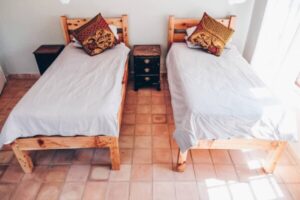
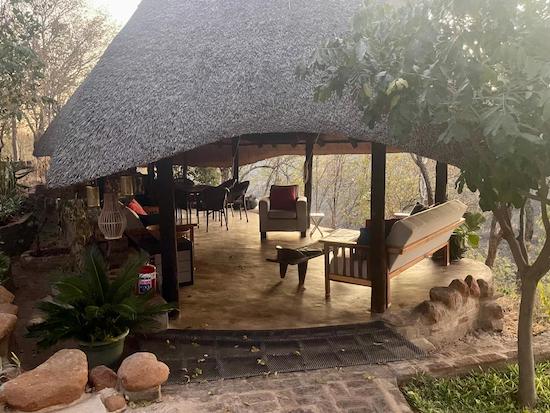
At your conservancy project, volunteers will either be accommodated in the main volunteer house (Numwa House), or in a tented camp (Chiwawe). Both are in the heart of the conservancy.
Numwa House:
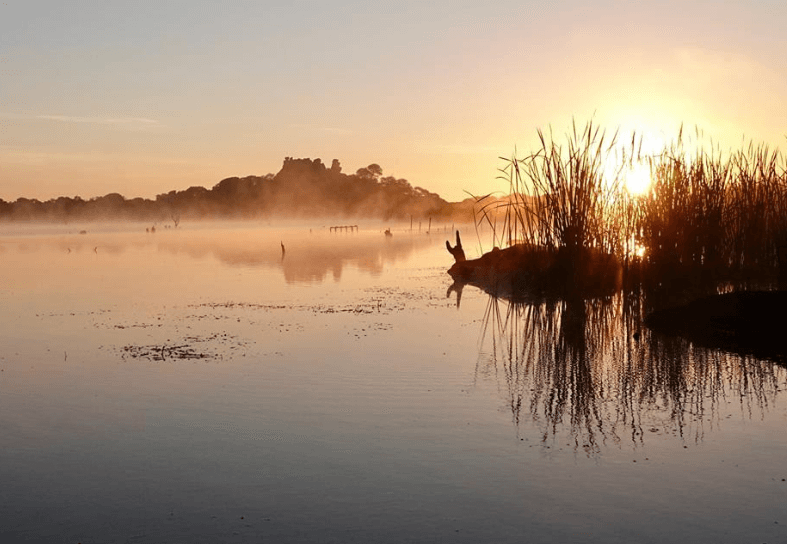
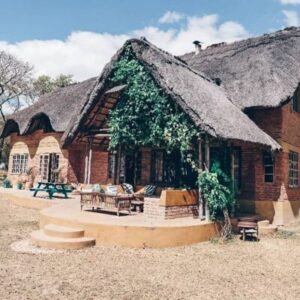
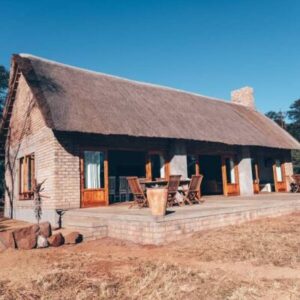
Numwa House is a thatched farmhouse in the heart of the conservancy, situated in an idyllic spot on the banks of a large dam. Inside, the house has five bedrooms, with four twin / double rooms and a same-sex dormitory. There are two inside bathrooms with bath or shower, an inside toilet with basin, and three outside solar showers, with the best view in the house. Outside, there is a pool and verandah area. The house has electricity and hot and cold running water. Bear in mind that electricity can be intermittent and power outages are common, especially during the rainy season. There is a generator and solar lights.
Chiwawe wilderness camp:
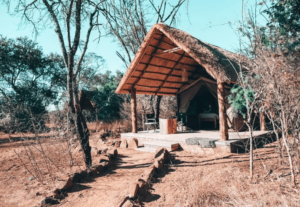
The tented camp is situated in a remote part of the conservancy and consists of 5 walk-in tents under thatch, each with attached en-suite bathroom. Bathrooms have hot and cold running water, a shower and a flush toilet. Four tents have two twin beds, side tables and storage space and one tent is a larger unit sleeping four. There is a central dining and living area with fully-equipped kitchen. Outside there is a large verandah area, firepit and swimming pool.
At both sites, three home-cooked meals are provided by the resident kitchen staff, and tea, coffee and drinking water are freely available. Vegetarians, vegans and other dietary requirements can be catered for. Housekeeping staff will do your laundry and keep the house clean and tidy. The camp has solar power for charging equipment and for lights.
There is WiFi at both sites charged at $10 per device per week.
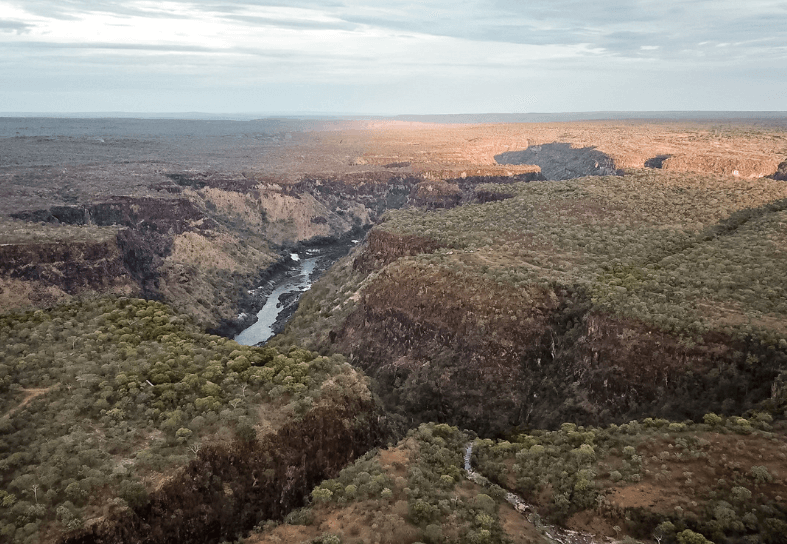
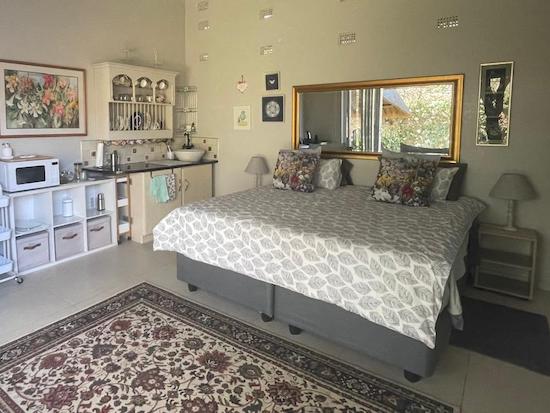
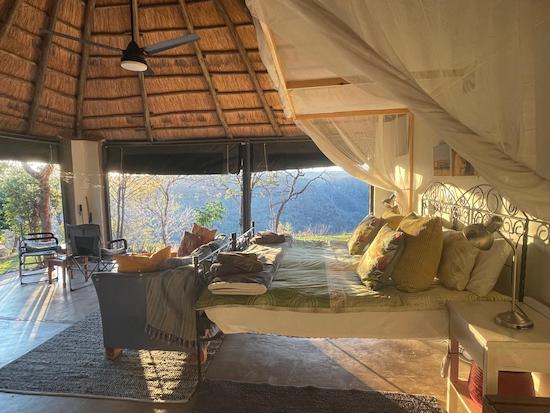
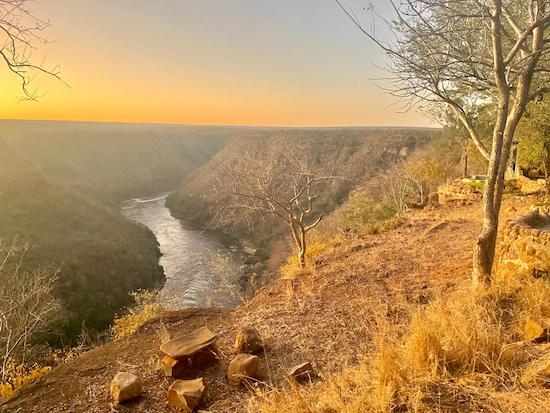
In Victoria Falls, the volunteer programme is based in a beautiful homestead overlooking the Zambezi River gorge. Each private en-suite unit has solar electricity, hot and cold running water and an outside verandah.
Three home-cooked meals are provided every day, and tea, coffee, juice and drinking water are freely available. Vegetarians, vegans and other dietary requirements can be catered for. There is a housekeeper who will make beds, clean and do laundry.
All electricity is solar-powered – the homestead is entirely off the grid. There is WiFi available in communal areas and in your room.
When can I volunteer?
Volunteers can join the Rhino & Elephant Conservation Programme every Monday, and the minimum stay is one week. Arrivals to the Communities & Culture Programme can be flexible, and shorter stays are possible.
Project pricing:
1 week Rhino Conservation / 1 week Community Outreach: from $2,245
1 week Rhino Conservation / 2 weeks Community Outreach: from $3,435
2 weeks Rhino Conservation / 1 week Community Outreach: from $3,160
2 weeks Rhino Conservation / 2 weeks Community Outreach: $4,420
Daily rate for part weeks – Community Outreach: $190 per day (volunteers joining the Rhino Conservation programme must join for full weeks).
All prices are in USD.
What’s included in the cost?
- Project contribution: this goes directly to our project partners, and provides funding to ensure the programme can continue to meet its goals. For this combination project it will cover things like staff costs, equipment purchases, maintenance of buildings, equipment and vehicles, veterinary fees, funding for community projects etc
- Accommodation and three meals per day
- Return airport transfers
- Laundry and housekeeping
- Comprehensive orientation and supervision
- Practical instruction by experienced guides
- Equipment and materials required to do your work.
What’s not included?
- Flights or travel to and between Harare and Victoria Falls
- Visa fees (variable depending on nationality)
- Travel insurance (compulsory)
- Admin fee ($40)
Optional Extras
- Personal expenses such as souvenirs, drinks from the bar, and snacks
- Pre and / or post programme accommodation (if required)
- Additional excursions
Who should volunteer on this Conservation & Community Volunteer project?
This is a wonderful experience for volunteers of all ages, where you will experience Africa in a safe environment, work hard and make a positive contribution. No experience is required, just a positive, can-do and flexible attitude. You should be able to communicate reasonably well in spoken English.
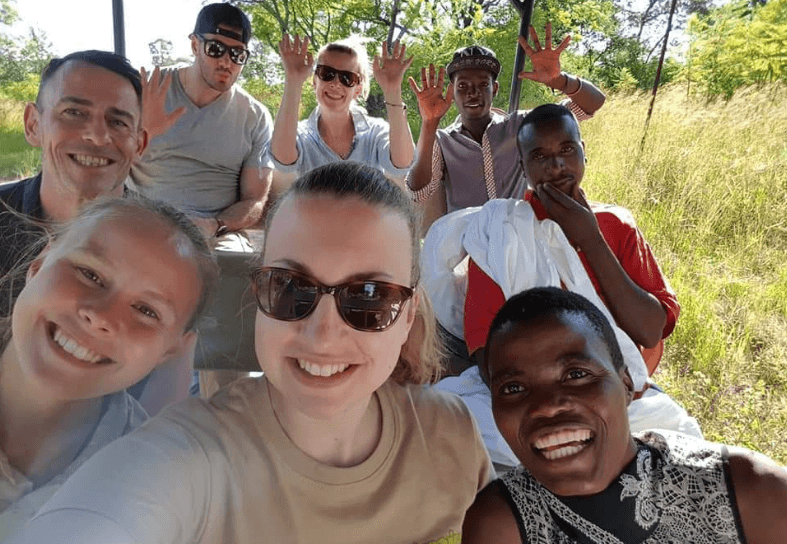
Both programs are very popular with mature volunteers and those looking for a more hands-on and impactful experience. Group sizes are up to 6 in Victoria Falls and no more than 12 at Imire.
How old do I need to be to volunteer?
The minimum volunteering age for the project is 17 years. There is no upper age limit and older volunteers are welcome!
How many volunteers will there be?
At the Rhino & Elephant Programme, there will be groups of up to 12 volunteers. In Victoria Falls, the maximum group size is ideally 6 people. If you are a larger group, please do let us know.
When can I join?
Volunteers should aim to arrive and depart on a Monday. Please enquire if you need to arrive or leave on a different day.
What food will I eat?
Breakfasts generally include toast, cereals, fruit, yoghurt and eggs; lunches will include salads, pasta, cold meats and fresh bread, and in winter, homemade soups and rolls. Dinners will include pasta, curries, stews, with fresh vegetables and starch. Vegetarians, vegans and celiacs can be catered for – please let us know when booking. Specialist food items such as gluten-free products and dried fruits and nuts, are extremely expensive and hard to come by in Zimbabwe, so we may ask you to bring some supplies from home if you do have specific dietary requirements.
When is the best time to volunteer?
- April – October is the dry season in Zimbabwe, with the rains usually coming again in mid to late November.
- June – September is winter, characterised by warm, sunny days, clear blue skies and cool evenings and nights.
- October is the hottest month, with temperatures in the Victoria Falls area regularly reaching 38-40 degrees.
- November – March is summer, where rain showers are intermingled with hot, sunny days and temperatures of over 30 degrees.
Do I get some time off?
Volunteers usually work from Monday to Saturday lunchtime.
How long can I volunteer for?
The minimum recommended project length is two weeks, although shorter stays can often be arranged.
How much spending money should I bring?
We recommend bringing around $150 per week in USD to cover personal expenses such as drinks, souvenirs, merchandise, snacks, tips and internet usage.
Do I need a visa to visit Zimbabwe?
- Most nationalities, including British, American, Canadian, Australian and most EU citizens, can get a 30-day tourist E-visa prior to arrival in Zimbabwe.
- Fees are dependent on nationality and range from $30 – $75 (paid in USD cash).
- Extensions are available from the Department of Immigration, up to a maximum stay of 6 months.
- It is your responsibility to check your visa eligibility prior to arrival.
What animals will I encounter?
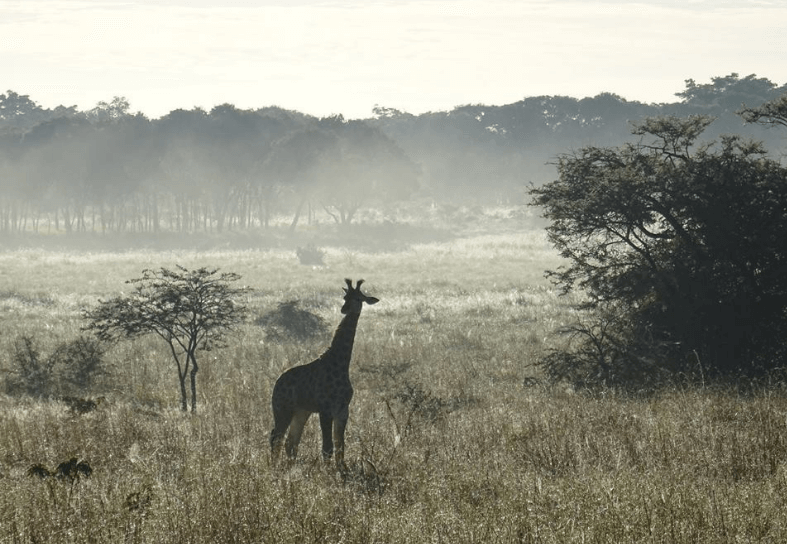
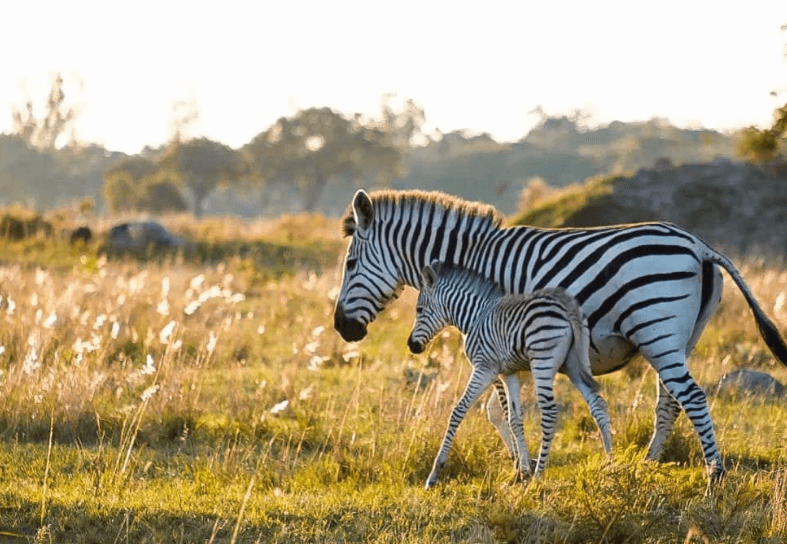
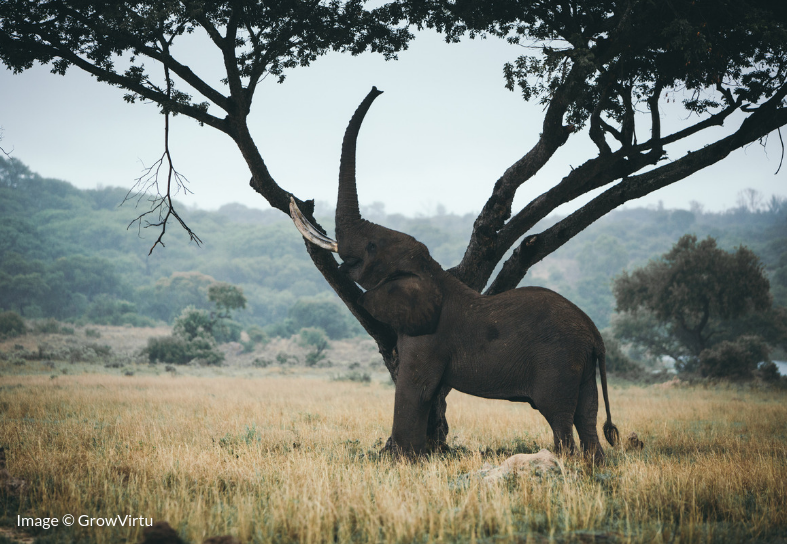
Imire is world-famous for its 12 black and 16 white rhinos. In addition, the conservancy is home to three elephants, a herd of Cape buffalo and a huge rane of other game. This includes eland, kudu, nyala, waterbuck, blesbok, zebra, giraffe, wildebeest and crocodile, plus herds of the rare sable antelope – Zimbabwe’s national animal.
What should I wear to volunteer?
Please bring culturally appropriate clothing. While we do not expect volunteers to adhere to strict dress codes, please be mindful of what is and is not culturally sensitive. Please ensure you bring a wide-brimmed hat or cap, and sun cream of SPF 30+.
Do I need any vaccinations to volunteer in Zimbabwe?
Please consult your GP or travel clinic for detailed medical advice.
- All volunteers should make sure their Tetanus is up to date.
- A rabies vaccination is recommended but not compulsory.
Malaria – Victoria Falls is a medium to high-risk malaria area, and prophylactics are recommended. Imire is located in a low-risk area. Please consult your GP for guidance and visit this UK government website for more details.
The primary goal of Imire is to support Zimbabwe’s rhino heritage, through the successful breeding and re-introduction of the endangered black rhino.
Alongside this goal, is to ensure the long term protection of Zimbabwe’s wildlife through a unified and holistic approach to wildlife conservation. Their aim is to create a blueprint for small conservancies, enabling them to successfully exist alongside local communities, ensuring that environmental stakeholders, including landowners, conservationists, communities and local farmers, all benefit from the presence of wildlife.
The volunteer programme forms a critical part of Imire’s mission to connect responsible travellers, wildlife programmes and community projects, to create a sustainable, long term, collaborative conservation strategy.
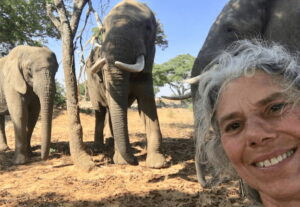
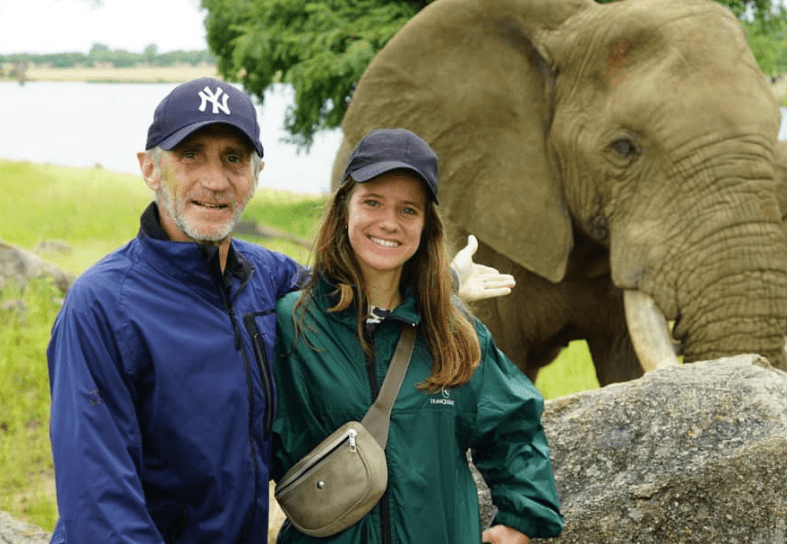
During your time at Imire, you will live in the heart of the conservancy, interact with rhinos and elephants, and gain an appreciation of the commitment required to protect wildlife in Africa.
The vision of the Greenline Africa Trust is to create a better life for marginalised women, children and youth. The goal of the volunteer programme is to provide support for ongoing projects within the community, and to enable the Trust to sustain the projects long term, or deliver them to full completion.
Volunteers also play a vital role in motivating communities to develop a spirit of self-improvement, creating a unified sense of purpose and a pride in their achievements. Cross-cultural exchange, international awareness and empathy are all critical to positivity within a community.
You can be sure on this combination project that your days will be filled with interesting work that is genuinely needed, and you will always be doing something purposeful.
Imire: Rhino & Wildlife Conservation is a 10,000 hectare privately owned rhino conservancy in Zimbabwe, approximately 130km south-east of Harare. The conservancy is dedicated to the welfare of all wildlife, with a particular focus on the protection and breeding of the critically endangered black rhino.
Imire is world-famous for its seven black and three white rhino. The conservancy is also home to three elephants, a herd of Cape buffalo and an elderly male lion, living out his retirement in comfort! There is a variety of plains game including eland, kudu, nyala, waterbuck, blesbok, zebra, giraffe, wildebeest and crocodile, plus herds of the rare sable antelope – Zimbabwe’s National Animal. Imire is also home to a wide variety of birds, reptiles and snakes.
For full details of our project at Imire, please see our Rhino & Elephant Conservation Programme page.
The Greenline Africa Trust was founded in 2013 by local Zimbabwean environmentalists, Charlene Hewat, Namo Chuma and Veronica Chapman. The Trust is firmly behind the philosophy of integration between wildlife, communities and sustainable poverty alleviation solutions.
Greenline Africa is focused on work within the rural areas around the world-famous Victoria Falls and Hwange Rural Districts. These areas are classed as Region 5 – characterised by low rainfall, high temperatures and extremely poor soil. The poverty levels of communities here is high; there are many orphaned children, and many gogo and child-headed households living with HIV / AIDS. Most children have protein and vitamin deficiencies and access to water is a daily challenge.
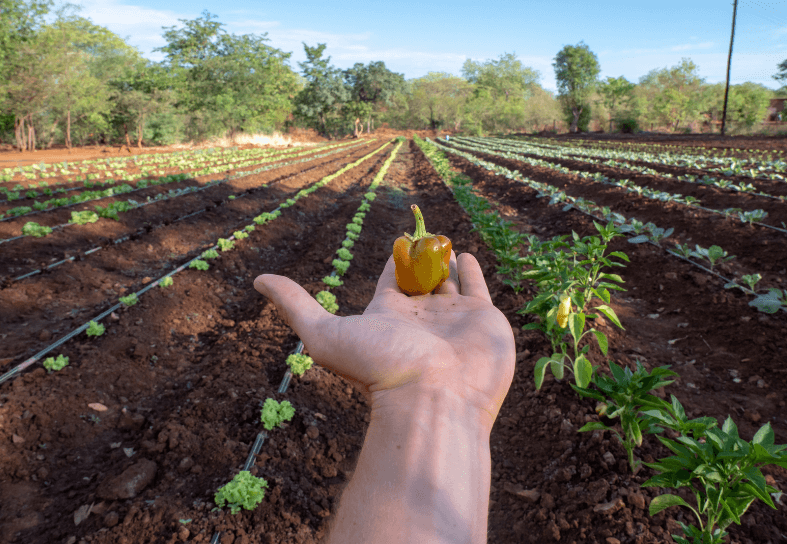
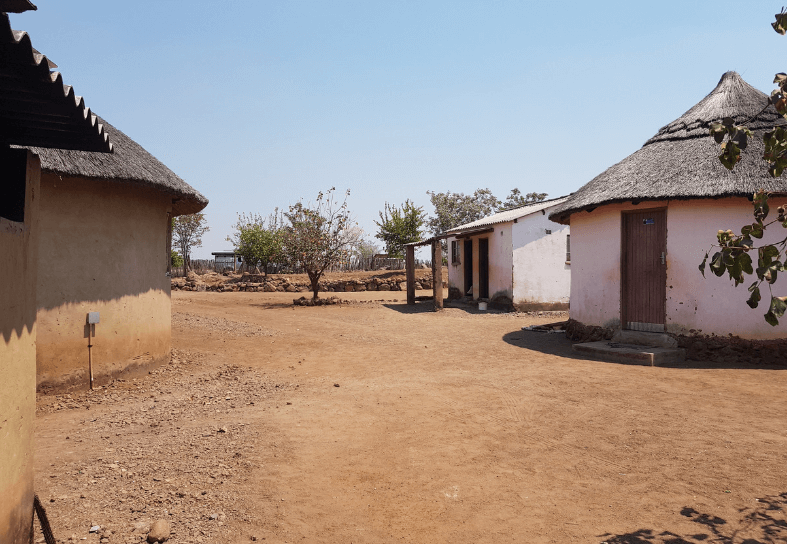
The Trust has built a Community Training Centre in the Dibutibu rural community, around 25km South East of Victoria Falls in western Zimbabwe. The centre is the focus of all community activity, and houses a dedicated industrial sewing facility, used to make uniforms for local lodges; an indigenous tree nursery and a prolific community vegetable garden, maintained by two permanent employees.
For full details about Greenline Africa, please see our Communities & Culture Programme page.