
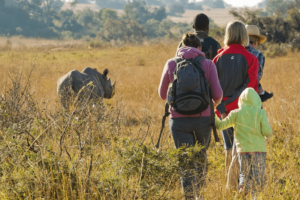

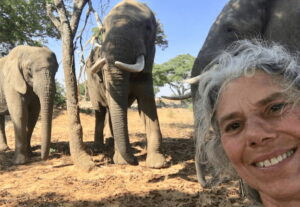

Is it safe to travel to Africa in 2026?
Why Africa might be the place to visit right now
The world currently feels like a very uncertain and tense place, with unnecessary travel feeling like a risky and unpredictable undertaking. However, not all places are affected equally. With relatively few flights being disrupted, Southern Africa remains geographically and politically insulated. When we’re asked if it’s safe to travel to Africa in 2026, our answer is yes!
The rise of mindful travel during global conflict
Travel to Africa offers something which people are seeking right now: space, stability and connection. At a time when the world feels overwhelming and unpredictable, Africa’s wilderness areas provide:
- Physical distance from stress points.
- Immersive natural environments where you can connect with people, nature and yourself.
- A slower, more grounded way of travelling.
- A deep and meaningful experience, where your presence makes a difference.
In times of global uncertainty, many travellers are rethinking not just where they go, but why they travel at all. Ticking destinations off a list no longer feels like enough. There is a growing demand for something deeper with more impact, and this is where volunteering comes in, and where Africa stands apart.
Where is it safe to travel to right now?
We understand that in times of global instability, there can a fear of any travel. With war in many parts of the world and the constant news coverage, travel can feel very uncertain – more so in 2026 than recent years. For many, the instinct is to delay plans altogether or assume the whole world has become less safe to explore.
The reality is: travel risk is not global – it’s localised.
It’s important that travellers try to look beyond the headlines and understand that risk is often shaped by headlines than on-the-ground reality. There are still amazing opportunities to explore the world safely and meaningfully.
Many travelers are changing their mindset. Rather than asking “should I travel”, they’re asking “Where is safe to travel to right now”.
And increasingly, Africa is becoming one of those places.
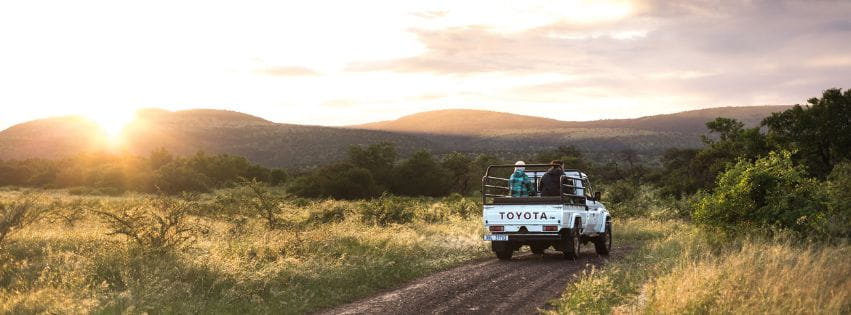
Why Africa is less affected by the global conflict
Africa is a vast continent, and Southern Africa in particular is geographically a long way from the current key conflict zones within the Middle East.
Within Southern Africa, the top travel destinations tend to be geographically remote, politically stable and removed from global politics. They are vast wilderness areas designed for low-impact, mindful tourism.
When major travel hubs face disruption, Africa’s wilderness areas remain remote and unaffected.
Volunteer tourism is not mass tourism. You aren’t navigating crowded cities, busy transport networks or large events. Instead, volunteers are spending time in:
- Private conservancies
- National Parks
- Small groups
You are supported all the way by experienced local teams.
How much will the war in the Middle East affect my trip to Africa?
The short answer is very little or not at all. Southern African countries remain largely unaffected by the war, in an area of regional stability. The direct risk of immediate attack and the indirect risk of travel disruption from airspace closures are not global risks. The disruption remains localised, in an area more than 6,000km and 11 hours by plane, away from the Southern African region.
All our Southern African volunteer programs are open, welcoming volunteers and operating normally.
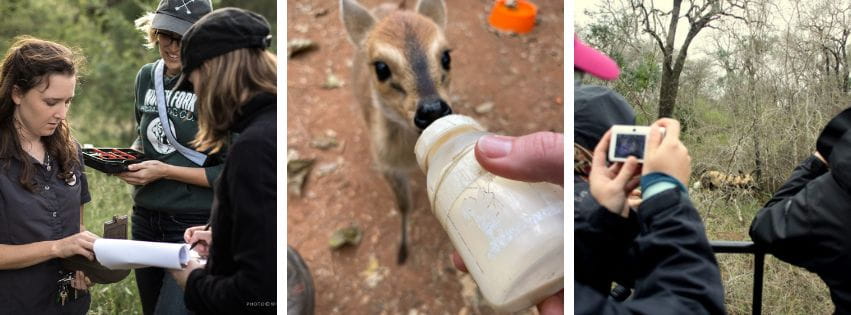
How could the war affect travel to Africa?
Flight changes:
Although some routes into Southern Africa do go via the Middle-Eastern hubs of Dubai and Doha, we are fortunate to have good airport infrastructure within Africa, with excellent international flight connections. These include:
- Johannesburg, South Africa: O.R. Tambo in Johannesburg has short and usually cheap onward flights to regional destinations such as Harare and Bulawayo in Zimbabwe, Maputo in Mozambique, Lilongwe in Malawi and Windhoek, Namibia.
- Addis Ababa, Ethiopia: Addis Ababa Bole International Airport is one of the largest hubs serving the whole of central, eastern and southern Africa.
- Jomo Kenyatta International Airport in Nairobi, Kenya.
Flight costs
As the global price of oil increases, the cost of jet fuel has nearly doubled. Fuel accounts for around 25% of airline operating costs, and many carriers have implemented pricing adjustments or fuel surcharges.
Travel insurance costs and cover
As travellers seek more protection against volatile situations, sales of Cancel for Any Reason (CFAR) policies have risen. We highly recommend considering one of these policies for your trip. Some insurers are increasing pricing for new standard policies to account for the heightened global risk.
How to minimise disruption to your African trip
– our practical tips.
There are ways to mitigate disruption and minimise your costs, to ensure that you can plan your Africa trip confidently in 2026.
Buy comprehensive travel insurance.
- Purchase your travel insurance before booking flights or paying deposits.
- Ensure it covers you for medical expenses, costs from cancelled or delayed flights, delayed or lost luggage, program costs if you have to cancel your trip (Cancellation For Any Reason).
Book flights early.
- Book flights with reputable operators or directly with airlines.
Talk to real people on the ground
- Speak to experts about the current situation rather than only relying on news coverage, which may be global rather than local.
- Our travel team have excellent local connections and real-world experience of living and working in Southern Africa.
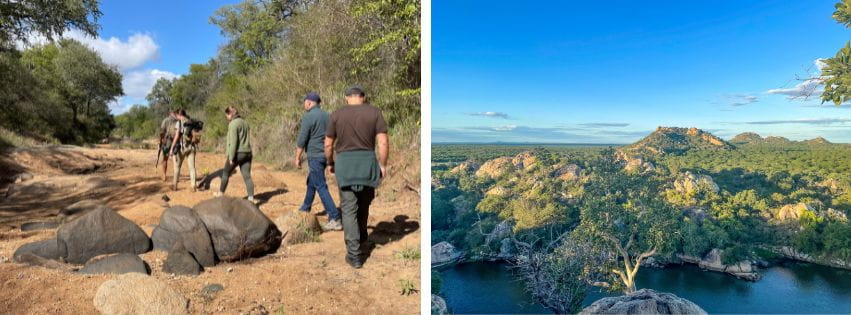
Are National Parks and volunteer programs in Africa still open?
National Parks across Africa remain open, and safari operators continue to bring their clients to see Africa’s iconic wildlife.
All our volunteer programs are operating as normal and have continued to welcome volunteers from around the world. Wildlife conservation does not stop for global conflict, and volunteer tourism continues to be a key part of wildlife protection. Conservation areas rely heavily on tourists, and during times of global economic instability, funds from international visitors become even more important.
Fluctuations in tourist numbers can have devastating impacts on wildlife and communities.
Is it safe to volunteer in Africa in 2026?
There are a number of considerations which make volunteer programs (and safaris) safer than other travel experiences.
- Volunteer programs in Africa generally take place in controlled environments. Our wildlife monitoring programs are based in private conservancies or in volunteer accommodation within national parks.
- All our programs have experienced guides and coordinators on the ground, to support volunteers with transfers, airport collections and activities.
- Volunteering usually involves small group travel with structured itineraries. Coordinators, with local connections, can assist in advising on excursions and other activities for your free time.
- Our projects are usually far from urban centres and cities, in secure environments. Where projects are located within higher-density areas, the safety and security of volunteers is paramount.
Where is safe to volunteer in Africa right now?
We wouldn’t send our clients to places we wouldn’t go ourselves. Our team members are based across Southern Africa and are well-travelled across many countries. This gives us local knowledge and connections, ensuring we are well-placed to advise on any questions about safety and security.
- Namibia: has an exceptionally low population, a low crime rate, great infrastructure and good transport network. The country is politically stable.
- South Africa: the most well-established destination in Southern Africa. Our wildlife programs are all located in private conservancies or vast national parks, far from the big cities.
- Zimbabwe: one of Africa’s most rewarding and authentic wildlife destinations. Zimbabwe has high-quality guides, incredible wildlife-viewing and pristine wilderness areas. Our Zimbabwe volunteer projects are some of our most popular with those who want a truly connected experience.
- Malawi: regarded as one of the most welcoming countries in Africa, popular with solo travellers. The country is highly regarded for its wildlife conservation work, and the Liwonde National Park and Majete Wildlife Reserves are flagship conservation models.
- Mozambique: the southern Mozambique areas of Tofo, Barra and Vilankulos are the most peaceful and stable areas for tourists within Mozambique. The region is a Top 10 scuba destination and considered to be one of the best places on earth to see whale sharks and manta rays year-round.
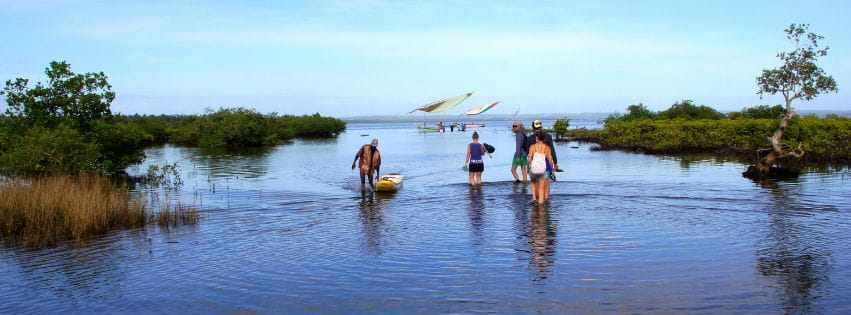
A world worth exploring
The world may feel uncertain, and travel may seem like an unnecessary risk. However, travel can be safe and meaningful, and Africa offers the space, stabilty and purpose to make your trip unforgettable.
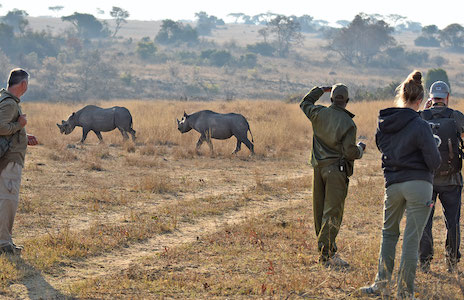
Wildlife Conservation Programs in Africa
Volunteer to help lions, cheetahs and other predators. Get involved with wildlife monitoring and anti-poaching initiatives. Track rhinos and work with communities.
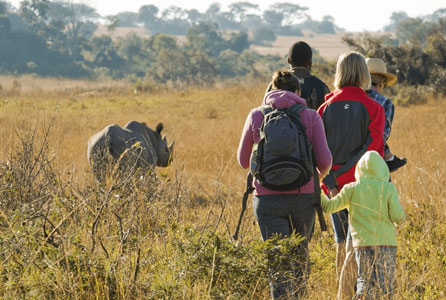
Family Volunteer Programs in Africa
Family volunteering enables you to experience different cultures, see endangered animals in the wild and meet inspirational people.
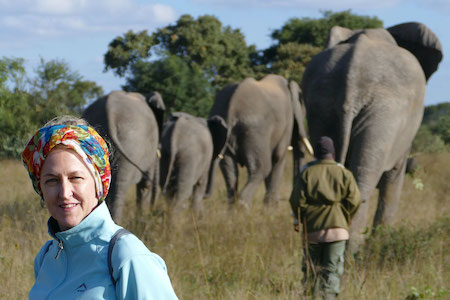
Volunteer Programs for the over-50s
Volunteering in Africa isn’t just for students. If you’re looking to experience Africa differently or want to undertake your first solo adventure, look no further!
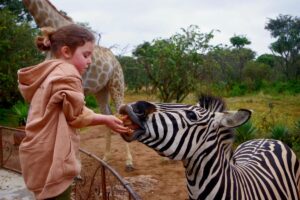
Review: Family volunteering with primates in Zimbabwe
Read Craig's review of the time he spent with his family volunteering in Zimbabwe.
Go to blog post
Is it safe to travel to Africa in 2026?
Your travel questions answered about safe travel to Africa in 2026.
Go to blog post
The Benefits of Family Volunteering Abroad: A Life-Changing Experience
7 reasons why family volunteering abroad can be life-changing for your family!
Go to blog post